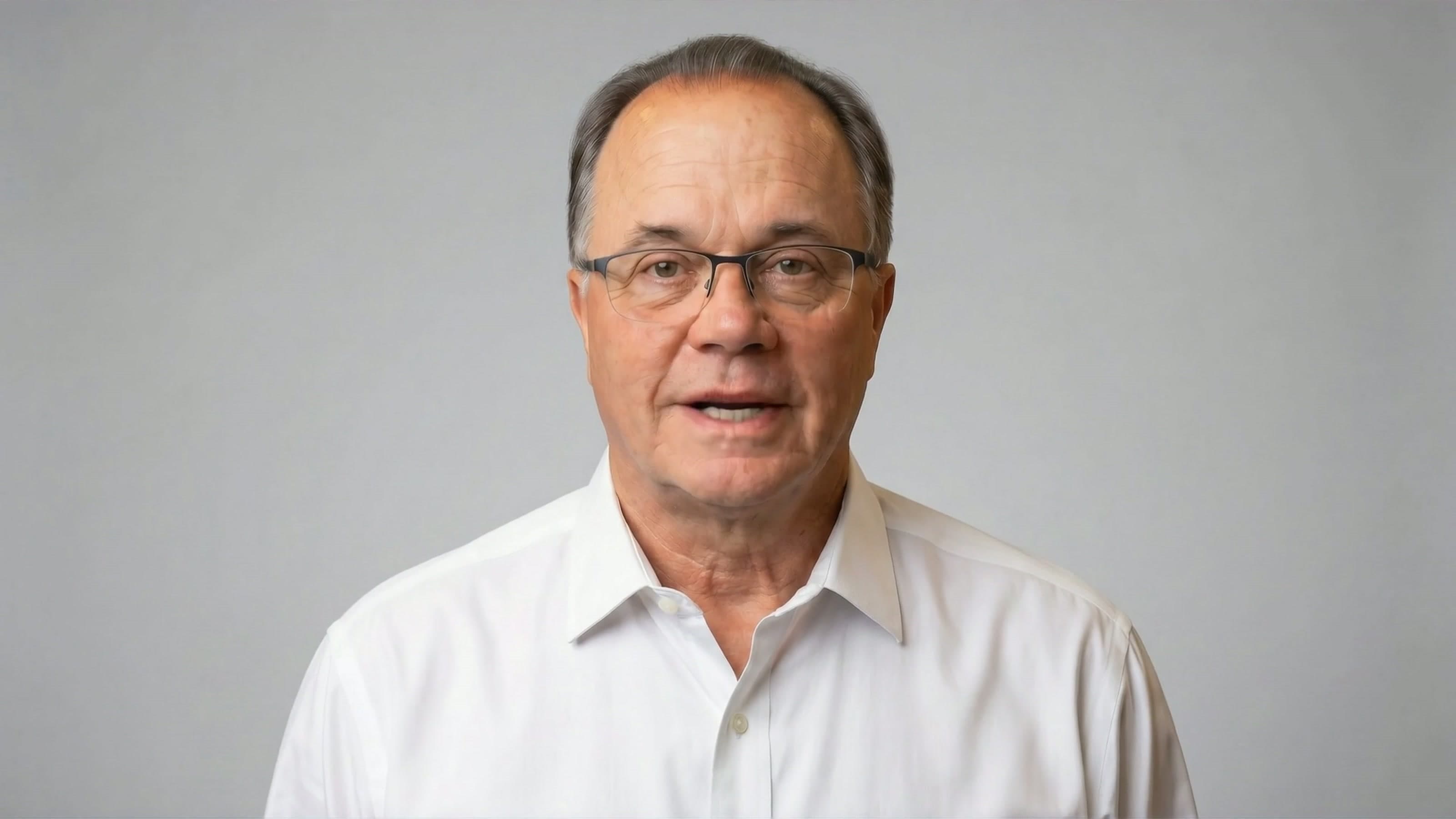
About James Bell

47 years building and selling companies.

I’ve been the kid who cashed out a tiny stake for almost nothing, the director who took a company public, the operator who bought one back, and the founder behind an eight-figure exit. I built companies, took them public and private, and sold them, across two continents and more than four decades.

Now I help owners my age get their business ready, and sell it for what it’s really worth.

The record, in numbers
47years

building and selling companies

#1

for return on shareholders' investment on the Johannesburg Stock Exchange in 1998, and #3 in 1999, across two companies I co-founded

48countries

Protect A Bed operated across

2companies

I helped take public

The arc

Four decades of building and selling.

  1. Age 12Starts at a toy and bicycle shop in East London, South Africa
  2. 1980Joins Reggies, becomes its youngest director
  3. 1987Reggies lists on the Johannesburg Stock Exchange
  4. 1991Leads a management buyout, refocuses on retail
  5. ~1993Sells the Toys R Us South Africa trademark for $10M
  6. Late 1997Co-founds Aquila Growth Limited, a listed PE company
  7. 1998Ranked #1 on the JSE for return on shareholders' investment
  8. 1999Ranked #3 on the JSE for return on shareholders' investment
  9. 2001Moves his family to America to chase a bigger market
  10. 2005Aquila Growth Limited sells its assets, returns the cash, delists
  11. ~2005Buys into Protect A Bed, a $50,000 business
  12. ~2018Sells Protect A Bed in an eight-figure exit

The dates above are from my own account of my career.

The story

From a Saturday job to a clean exit.

Almost all of it traces back to a toy and bicycle shop in East London, South Africa, and to a few rules a man named Wilf Winspear taught me when I was twelve. I never forgot them.

Chapter one

A toy shop in East London, South Africa

I grew up in a humble home in East London, South Africa, the only boy among four children. At twelve I took a Saturday and school-holiday job at a toy and bicycle shop owned by a man named Wilf Winspear. The pay bought me bicycles and motorcycles. The lessons bought me a career.

Winspear drilled two habits into me that never left. Hire the best accountant and the best lawyer you can afford, and keep your books, taxes, and legal house in order before you ever pay yourself. He also taught me to over-deliver, always, no matter how small the job.
Chapter two

Choosing the shop over the bank

After school I did a short stint in a bank, then two years of national service. When I came back, the bank wanted me and so did Winspear, who offered me a permanent job and a small stake in the business. I turned down the safe banking salary and took the 1.5 percent instead.

Six months later a Durban toy chain called Reggies came knocking, looking to expand across the country. Winspear left the choice to me. I sold my slice, cashed out for very little, and bet on the bigger group.

Chapter three

Youngest director, 120 stores

I married Lynda in 1980 and moved to Pretoria to start the inland region. They made me a director of Reggies at twenty-one or twenty-two, sitting in a room full of men in their forties and fifties. Over the next seven years we grew Reggies into a national chain of about 120 toy stores.

I opened most of them myself, from picking the site to signing the lease to hiring the staff. In a small market under sanctions you learn to be a generalist: buying, importing, manufacturing, distribution, and marketing. In 1987 we listed Reggies on the Johannesburg Stock Exchange.

Chapter four

The buyout and the Toys R Us deal

When the manufacturing side started dragging on the listed company, my partner David and I led a management buyout in 1991, backed by an M&A firm. We took control, sold off the factories, and rebuilt the group as the biggest toy and baby retailer in Southern Africa.

I even built my own Toys R Us in South Africa. When the real Toys R Us came after me, I turned the lawsuit into a partnership and sold them the trademark for about ten million dollars, plus a ten-million-dollar franchise deal. As I told them, I didn't want a fight. I wanted to be their partner. And because we structured it with Arthur Andersen's help as an outright sale of the trademark, in a country with no capital gains tax at the time, the ten million arrived tax-free, roughly four and a half million dollars better than taking the same money as a settlement. Structure, not luck.

Chapter five

Aquila Growth Limited and the move to America

In the late 1990s I co-founded a listed private equity company, Aquila Growth Limited, that spread into casinos, coffee shops, a breakfast cereal company, watch and toy distribution, and a software firm in Chicago. That last deal brought me across the world. I moved Lynda and our two sons to Chicago on a simple idea: the same work pays more in a market of 340 million people than in one of fifteen million.

By 2005 we had sold the assets, returned the cash to shareholders, and delisted. Two of the companies I co-founded ranked on the Johannesburg Stock Exchange for return on shareholders' investment, number one in 1998 and number three in 1999. Our investors and banks all did very well.

Chapter six

From $50,000 to an eight-figure business

My American chapter was Protect A Bed. I bought about a quarter of a tiny mattress-protector business doing fifty thousand dollars a year, moved manufacturing to China, and built a training team for mattress retailers. We rode the bed-bug boom with a patented encasement and grew it into an eight-figure business, selling in 48 countries.

I ran it the way Winspear taught me: spotless books days after month-end, a top CFO and a long-time lawyer, profits put back into the business, and myself paid as an employee, kept separate from the company.

Chapter seven

The clean exit

Two buyers started bidding against each other. I had never meant to sell, but I accepted. The business sailed through a five-month due diligence with no surprises, because it had been run that way for years, and I sold the whole thing in an eight-figure exit.

I retired on my sixtieth birthday. Today, at sixty-seven, I want to help owners my age, the ones who built a business that gave them a good living but have no children to take it over, get it ready and sell it for what it's worth.

In my words

The lessons, the way I say them.

You always make sure you have the best accountant and auditors that money could provide, and you always keep your books up to date.
On the rule my first boss taught me at twelve
I was the youngest director. I was 21, 22 years old, and all my other colleagues were mid 40s and 50s. But I think I more than proved myself.
On earning my seat at the table
You always treat yourself not as part of the business, but as someone employed by the business. Many small businesses do not do this.
On the mistake that costs owners the most at sale
The method

Six habits that decide what your business is worth.

These aren’t theory. They’re the exact things I did at Protect A Bed, and the exact things most owners skip. Do them every day, and the business is ready the moment a buyer shows up.

01

Over-deliver, always

No matter how junior or senior the role, do more than is expected. It is how you get noticed, trusted, and paid for.

02

Hire the best accountant and lawyer

Often you pay these people more than you pay yourself. At exit, they are worth every dollar.

03

Keep your books 100% current

Taxes, accounting, and legal stay perfectly up to date, even at a cost to your own earnings. Produce results days after month-end.

04

Treat yourself as an employee

Draw a salary and keep your personal finances separate from the company. Most small owners do not, and it costs them when they sell.

05

Reinvest and build the balance sheet

Pay your taxes, live within your means, and put the money back in. A strong balance sheet is what buyers actually pay up for.

06

Prepare as if you are selling tomorrow

Clean books, clean legal, structured records, every day. It is the difference between a quick due diligence and a broken deal.

Let’s talk

Tell me about the business you built. Leave with a plan to sell it for more.

A free 30-minute call, owner to owner. No pitch, no obligation. Just the questions I asked myself before every sale.